How to Reduce Slips, Trips and Falls in Your Workplace
We’d all like to prevent and avoid accidents and injuries from occurring in the workplace, and for most, the number one concern is slips and falls. This is especially the case in the hospitality and medical sectors. In fact, slips and falls are a much bigger issue than most people realise with more than 13,000 Queensland workers being injured because of a slip trip or fall each year.
Anything that can be done to reduce this hazard will pay off in the long run and ensure your business isn’t sued or left to pay workers compensation.
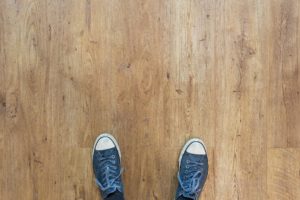
(source: unsplash)
Slip and Trip Prevention
Railings – Make sure any stairwell in your workplace has a railing, especially if you expect to have older people using the stairs. The extra stability a handrail provides can at times be the only thing that stops a fall in its tracks.
Footwear – It’s mandatory for staff to wear closed shoes in most workplaces for health and safety reasons. Particularly in the hospitality and medical fields. If you’re concerned about slips and falls, anyone working in these two fields in particular could also be advised to wear shoes with a non-slip sole. Non-slip soles can greatly improve grip between the shoe and floor even when the surface is slippery.
Cleaning & Spill Management – Having appropriate cleaning procedures in place is essential for keeping floors clear and dry. If a spill occurs and the mess can’t be cleaned up right away, a ‘slippery when wet’ sign should be put up immediately to warn others. Also, once cleaning is concluded or if cleaning had to be stopped to address another issue, any cleaning utensils should be removed from the area to prevent them from becoming trip hazards.
Activities in the Workplace – Depending on the type of workplace you’re in, you may need to set rules against running in the office or ban any physical activities within the office walls such as sports or exercises. Office flooring isn’t cut out for this kind of activity and with all the usual obstacles in an office, it’s not hard to see how a fall could occur.
Improved Lighting – Navigating your workplace in the dark is sure to end in disaster. For this reason, a light switch should always be accessible for all entrance and exit points, so that all staff arriving early or leaving late can flick a light on as soon as they walk in or out. At all times of day and night, every space and corner in your workplace should be well lit to prevent falls.
Have a Risk Management Plan in Place – This is the simplest way to prevent slips, trips and falls in the workplace. A risk management plan identifies, assesses, controls and monitors safety hazards and risks. Having this plan in place makes sure nothing is missed when preventing trips and slips.
Remove Slip and Trip Hazards
Electrical cables – Power cords for your computers, equipment, tools or other electrical devices should always be kept out of thoroughfare areas. If you can’t avoid having a long cable stretching across the room, make sure the cord lines up against the edge of the room and is secured to the perimeter wall and floors if possible. You could also consider installing other power outlets in more convenient locations to avoid trailing cords.
Boxes and Bags – When a parcel gets delivered to your office, don’t leave it sitting on a stair or the floor in the entrance way. Pick it up and move it to a safe place right away. Also keep on top of where staff are placing their handbags, laptop bags and food delivery bags. Any personal items should be kept beneath the employee’s own cubical and well away from their feet. If these bags are left around the cubicle and in the path of where people walk, the risk of tripping is obvious.
Tools and Equipment – In a workshop, workers often need to grab and use multiple items and tools at the same time, which can result in these items being left around on the floor. To mitigate this, you could implement rules to ensure all tools and parts go back to where they belong when not being used, or you could make sure these items are placed on a table or in an elevated place when in use.
Floor Condition
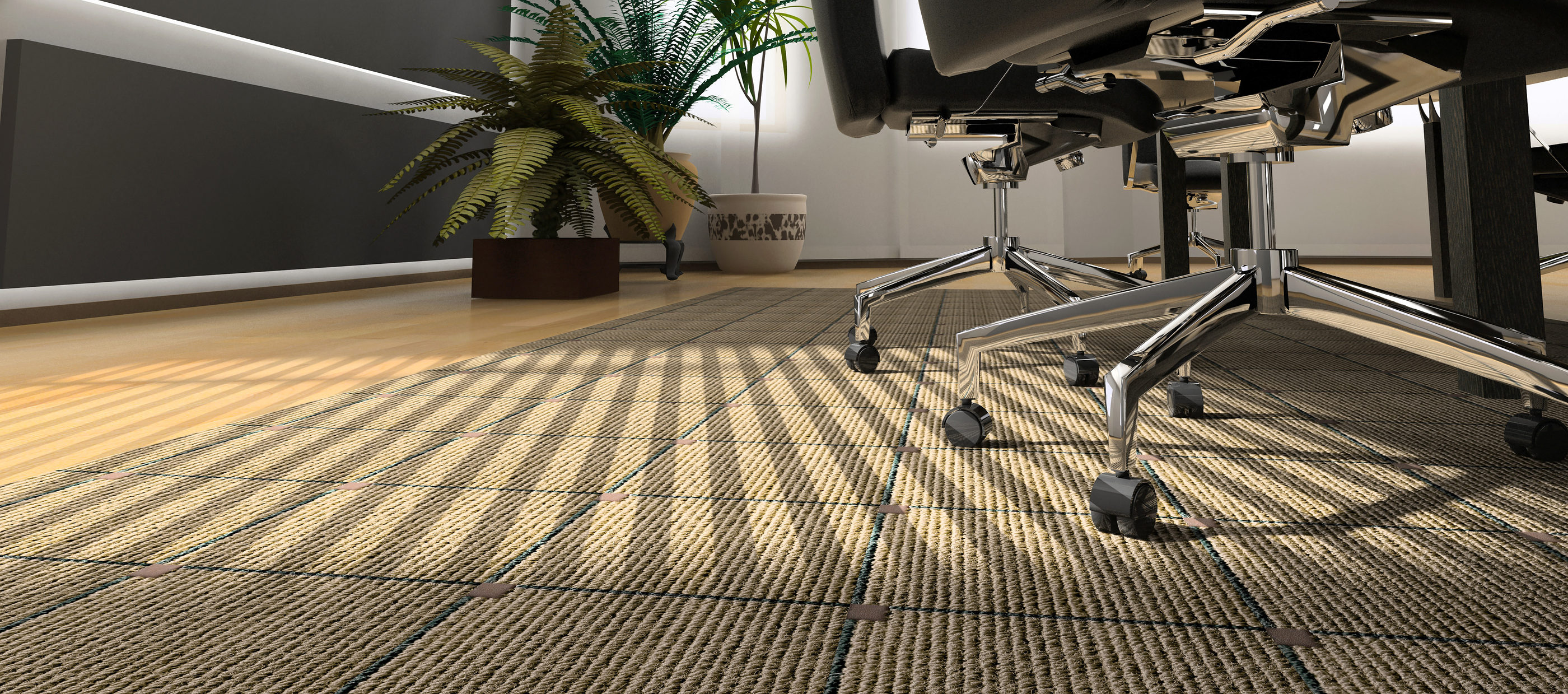
If your office carpet is lifted or ripped in places, if cracks are showing in your hardwood floor, or if a few tiles are missing, not only can it be unsightly for your business, but you also risk a trip and fall from fast-moving feet slipping into a crack or across an uneven surface. Hollowed out parts of the floor can also pool liquid and increase the slip risk. A brand-new floor is the only way to overcome these flooring flaws. Always speak to your local flooring expert for advice on the best flooring replacement for your workplace.
Slip Resistant Flooring
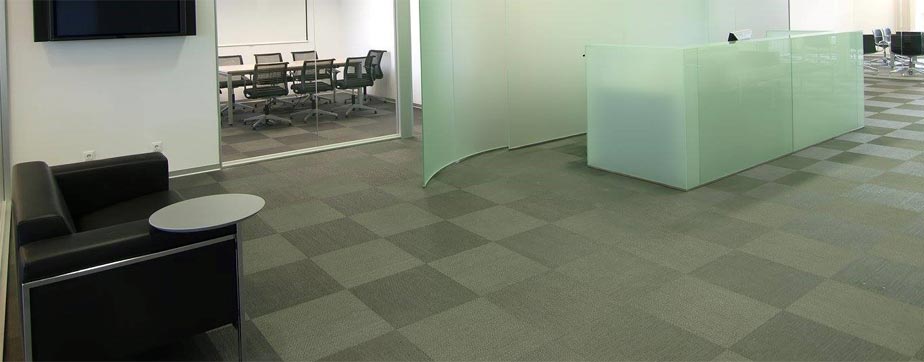
Slipresistant flooring should be your number one priority above all else as it’s a factor you have complete control over. Even if no other hazards are in place to cause a slip and fall, the floor itself could be enough to result in disaster. Some flooring types can feel slippery to walk on, which is why a slip resistant option should always be chosen.
Work Safe Queensland even urges Queensland businesses to invest in flooring that has sufficient grip to help prevent slips and falls. This is particularly the case for floor spaces that may become wet or contaminated. At Comfloor we have a range of slip resistant vinyl flooring options to keep customers and staff alike safe while walking through your premises. Contact Comfloor on 1300 317 873 for more information about our slip resistant flooring range.
Interested in finding more information on this topic? Check out the Work Safe Queensland slips, trips and falls prevention guideline for even more helpful advice and in-depth information.